To strengthen cultural exchanges between Chinese and foreign students, help international students in China gain in-depth insights into fine traditional Chinese culture, and foster their friendship with China, the School of International Education organized international students and student representatives to visit Beijing 798 Art Zone on May 15 for the vocational school’s featured craft study tour under the "Intangible Cultural Heritage at Beijing Polytechnic University" series. Teachers and students visited the China Trade for Development Intangible Cultural Heritage Center and Zhu Bingren Art Museum, where they hands-on experienced two traditional crafts: gourd pyrography and round fan making.
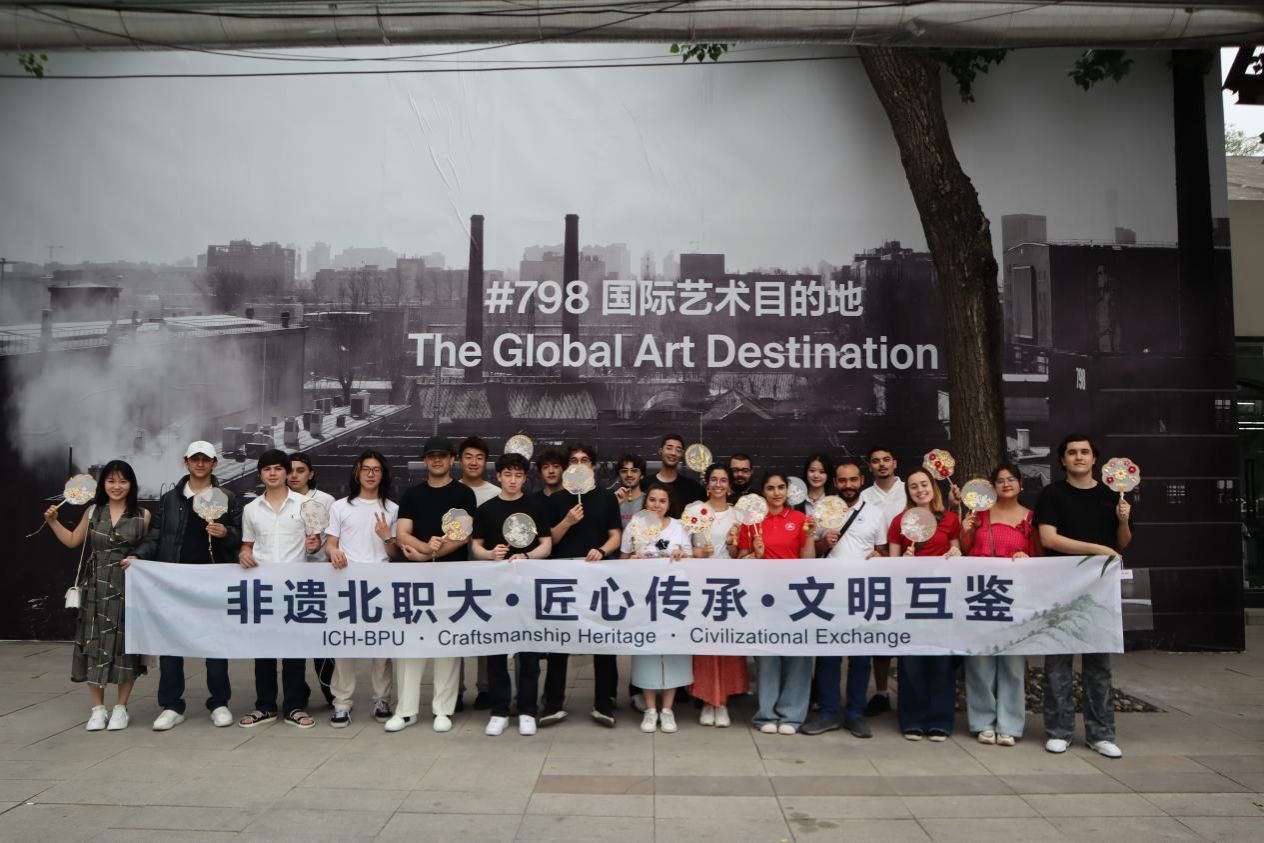
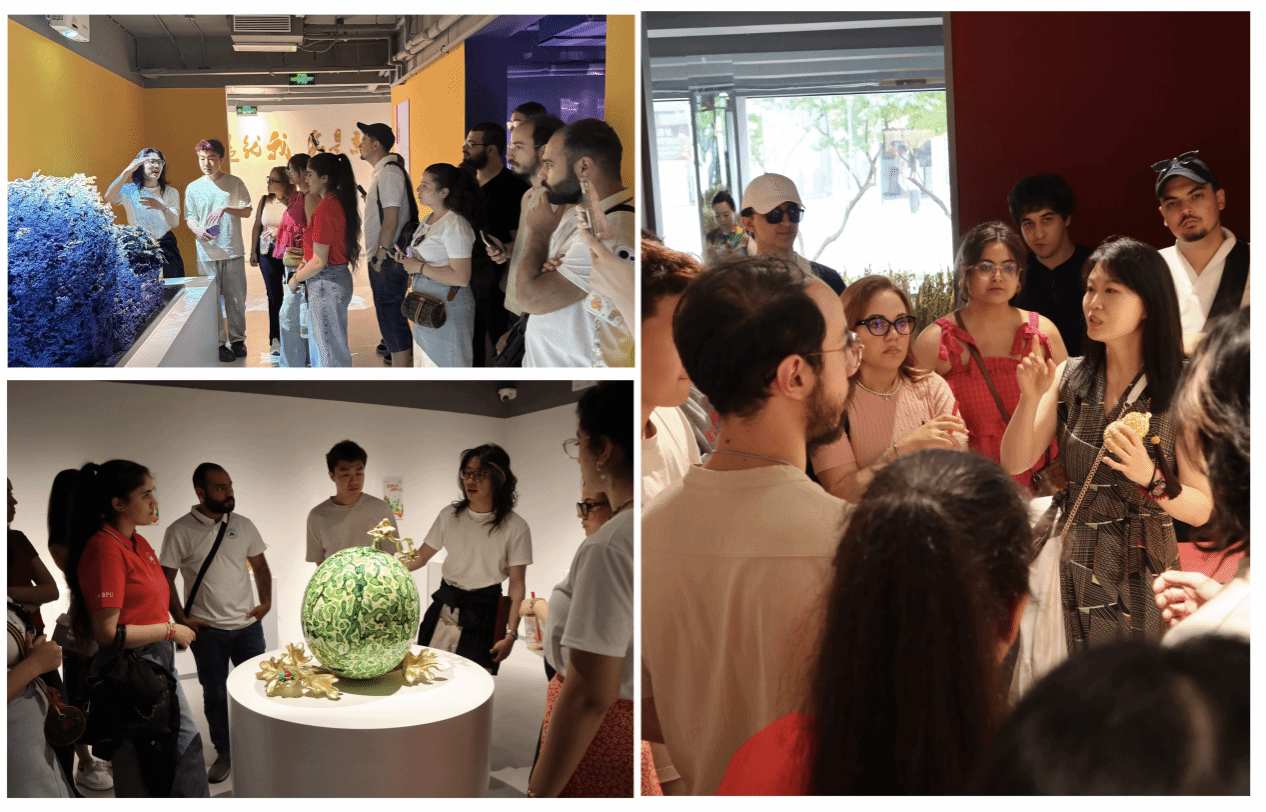
At the China Trade for Development Intangible Cultural Heritage Center, the group systematically viewed representative intangible cultural heritage projects including traditional fine arts and handmade crafts, and learned about their historical evolution, inheritance and preservation status. A variety of time-honored handcrafts enabled international students to gain intuitive knowledge of the diverse forms of Chinese intangible cultural heritage. Later, the group visited Zhu Bingren Art Museum, experiencing the integration of traditional craftsmanship and contemporary aesthetics in copper sculpture art and appreciating the renewed vitality of copper, an ancient traditional material.
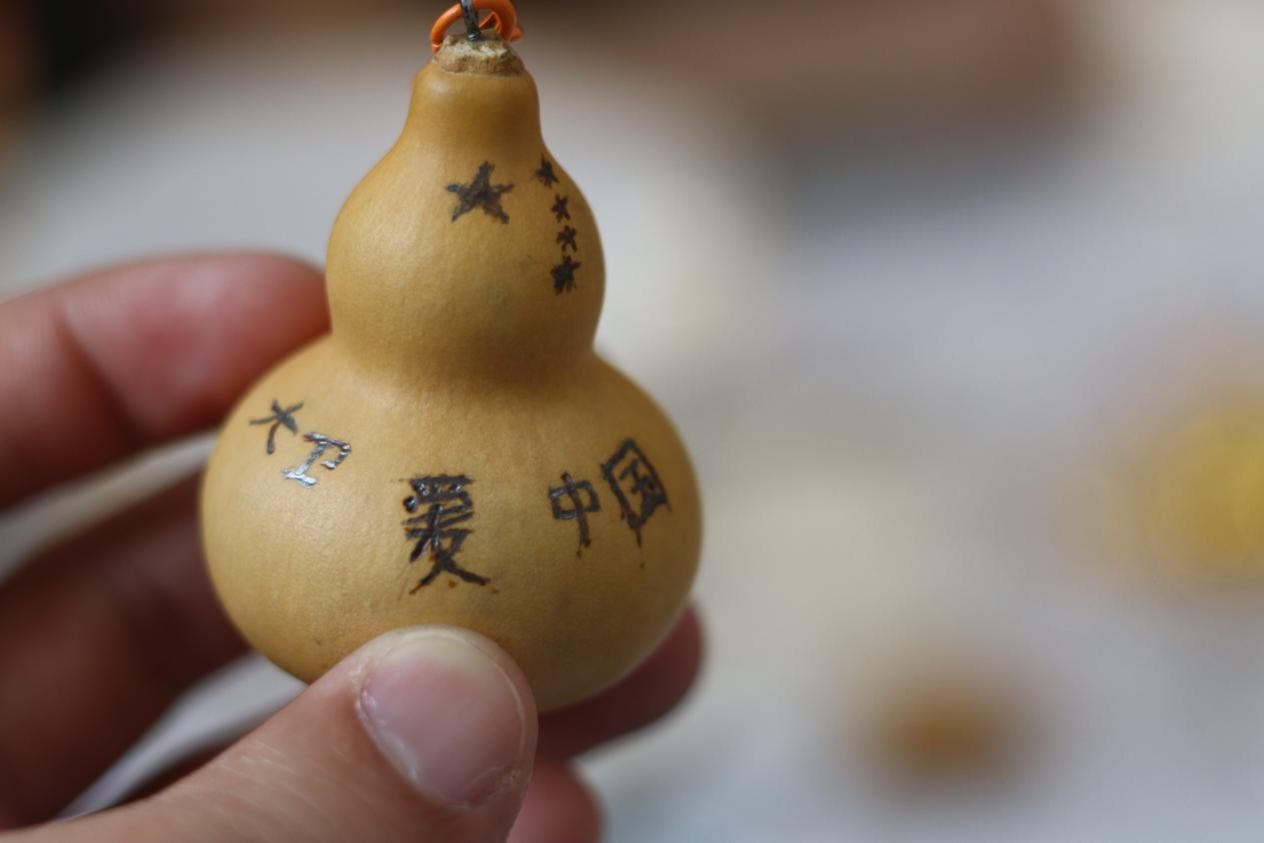
In the practical session, Chinese and foreign students worked side by side to experience the charm of traditional crafts. At the gourd pyrography workshop, students held pyrography pens to draw patterns on gourds with heat as ink and gourd wood as paper. As a traditional symbol of fortune and auspiciousness in Chinese culture, gourds carry profound blessings. Every stroke embodied the inheritance of traditional craftsmanship and inscribed millennium-old auspicious meanings on small gourds. At the round fan making area, students carefully selected and pasted decorations on plain fan surfaces, turning blank fans into elegant and exquisite works through elaborate handcrafting.
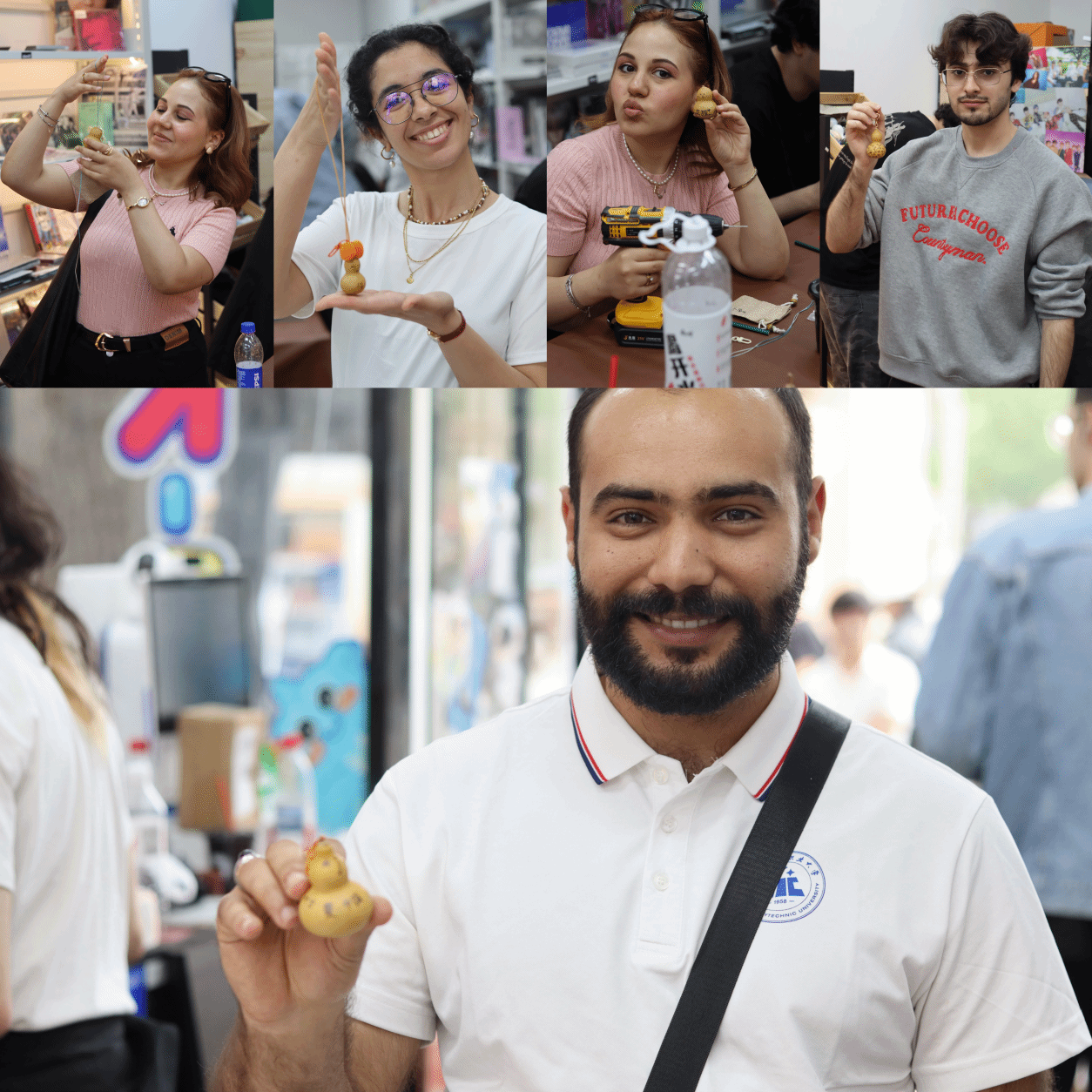
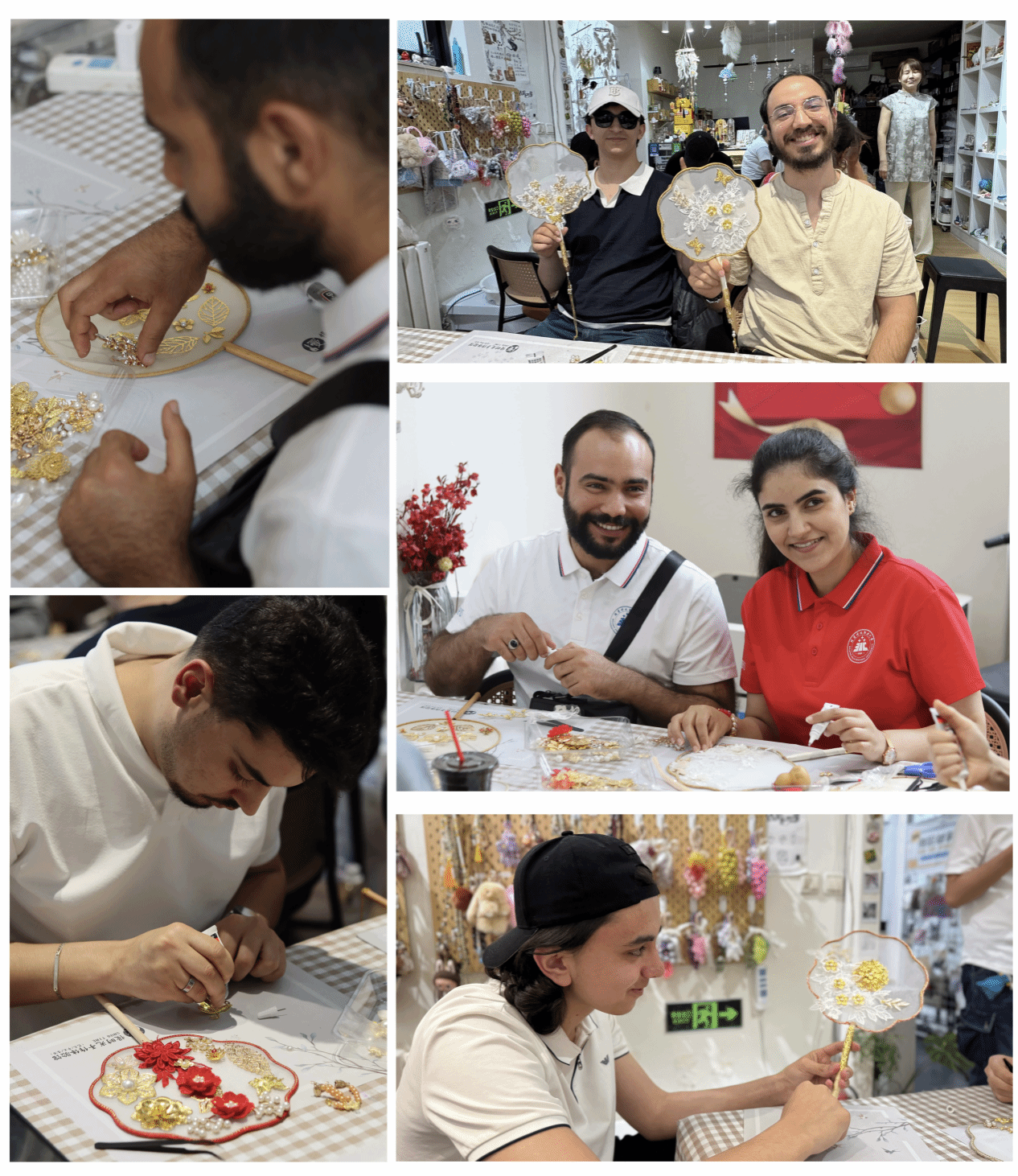
During the activity, Chinese and foreign students communicated actively and collaborated closely, bridging cultural gaps through joint creation. Abdu, an international student from Tajikistan, shared, "This is my first time painting on gourds. Ancient Chinese people were incredibly creative to fix paintings on fortune-symbolizing gourds through pyrography!" Lerbin, a student from Tunisia, commented, "Arranging decorations delicately to create fans full of blessings reminds me of the traditional crafts passed down by elders in my hometown. I truly feel the dedication to beauty and artistic appreciation behind these handworks."
Adopting the model of "study tour plus practical experience", the activity brought intangible cultural heritage out of exhibition displays and into hands-on practice. It allowed international students to perceive and understand China through immersive creation, and subtly cultivated their recognition and friendship toward the country. Moving forward, the School of International Education will continue to launch diverse activities under the "Intangible Cultural Heritage at Beijing Polytechnic University" series to promote cultural exchanges and mutual learning between China and foreign countries.



 Location:
 Dynamics